
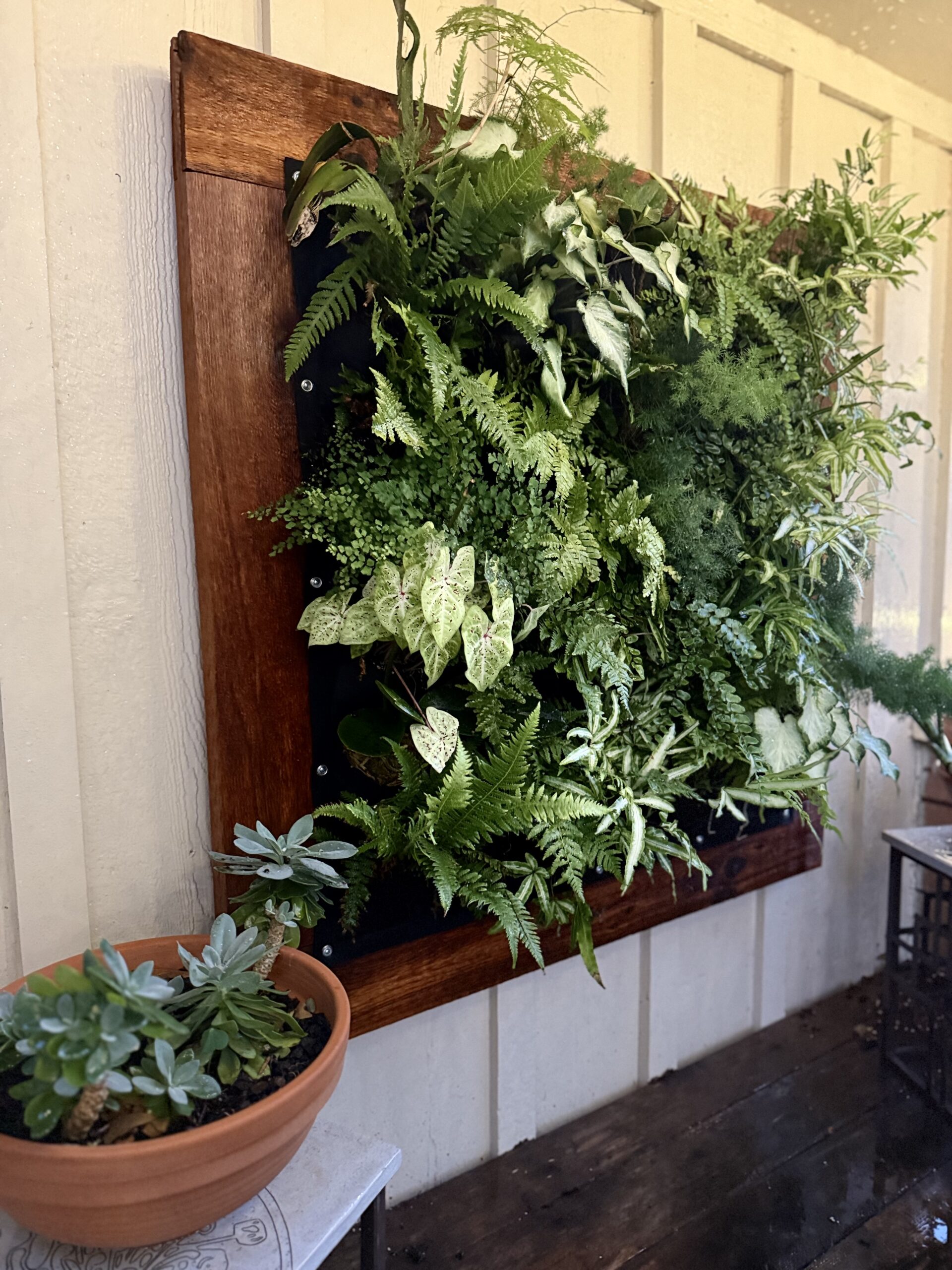
Summer is here, and that means water! water! water!…or you can start an indoor plant collection. It not only brightens up a room but also has many health benefits. Here’s a quick, practical guide on how to choose the right plants for your home based on the lighting in your home:
1. Understand Your Light
- Low Light: No direct sunlight. Areas a few feet away from windows or rooms with only artificial light.
- Medium Light: Bright but indirect light. East or north-facing windows, or spots with filtered sun.
- High Light: Direct sun for several hours. South or west-facing windows, ideally close to the glass.

2. Match Plants to Conditions
Choose plants based on their natural environment:
- Low Light: Forest floor plants (e.g., Snake Plant, ZZ Plant).
- Medium Light: Understory tropicals (e.g.Calatheas, , Hoyas).
- High Light: Succulents, cacti, Mediterranean or desert species (e.g., Aloe, Fiddle Leaf Fig).
3. Consider the Room’s Microclimates
- Light can vary even within one room. Corners = lower light, windowsills = higher light.
- Mirrors, walls, and sheer curtains can change how light is reflected or diffused.
4. Be Realistic About Care Needs
Some plants are picky about light. Choose forgiving species if you’re just starting out or have changing conditions.
5. Rotate and Reassess
Plants grow toward light. Rotate them every few weeks and monitor for:
- Leggy/stretching growth = not enough light.
- Scorched/brown patches = too much direct sun.
Here are examples of indoor plants that thrive at different light levels
Low Light Levels
- Chinese Evergreen ‘Pink Dalmatian’ (Aglaonema spp.)
- Splashy pink-spotted leaves and super tolerant of low light.
- Rex Begonia (Begonia rex-cultorum)
- Vividly patterned foliage in metallic tones—thrives in filtered, low light.
- Ludisia discolor (Jewel Orchid)
- Grown for its velvety, dark leaves with red veins. Loves humidity and low to medium light.

Medium Light Levels
- Hoya ‘Curtisii’
- Tiny heart-shaped leaves with silver flecks. Trails beautifully and prefers bright, indirect light.
- Asparagus Fern (Asparagus setaceus)
- Not a true fern—delicate, feathery foliage and a wild, airy look. Needs medium light and humidity.
- Peperomia ‘Raindrop’ (Peperomia polybotrya)
- Thick, raindrop-shaped leaves that look sculptural and glossy.

Bright / High Light Levels
- String of Dolphins (Senecio peregrinus)
- Leaves shaped like jumping dolphins! Needs lots of bright, indirect light.
- Medusa’s Head (Euphorbia caput-medusae)
- Weird, tentacle-like succulent stems. Very drought-tolerant and loves direct light.
- Trailing Fishhooks (Senecio radicans ‘Fish Hooks’)
- A unique trailing succulent with bluish, fishhook-shaped leaves.
- Desert Rose (Adenium obesum)
- Thick caudex and dramatic blooms. Loves sunlight and dry conditions—like a bonsai-succulent hybrid.
